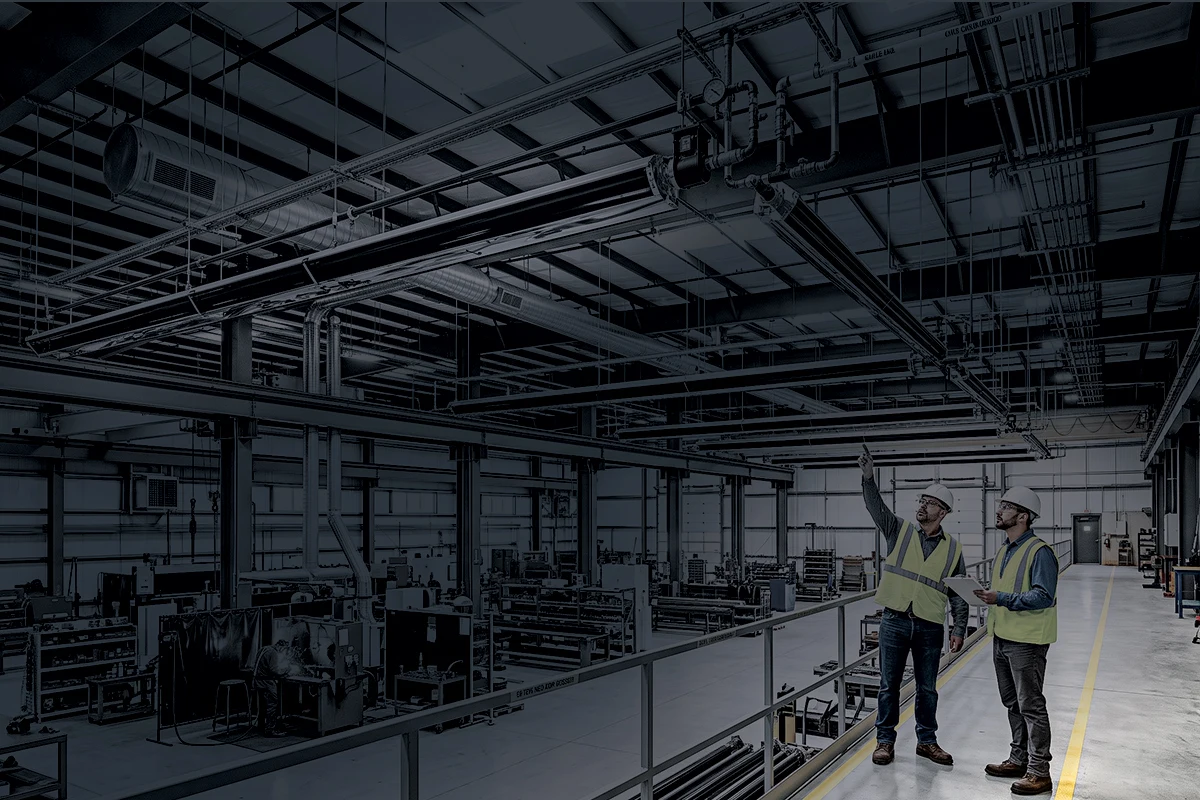
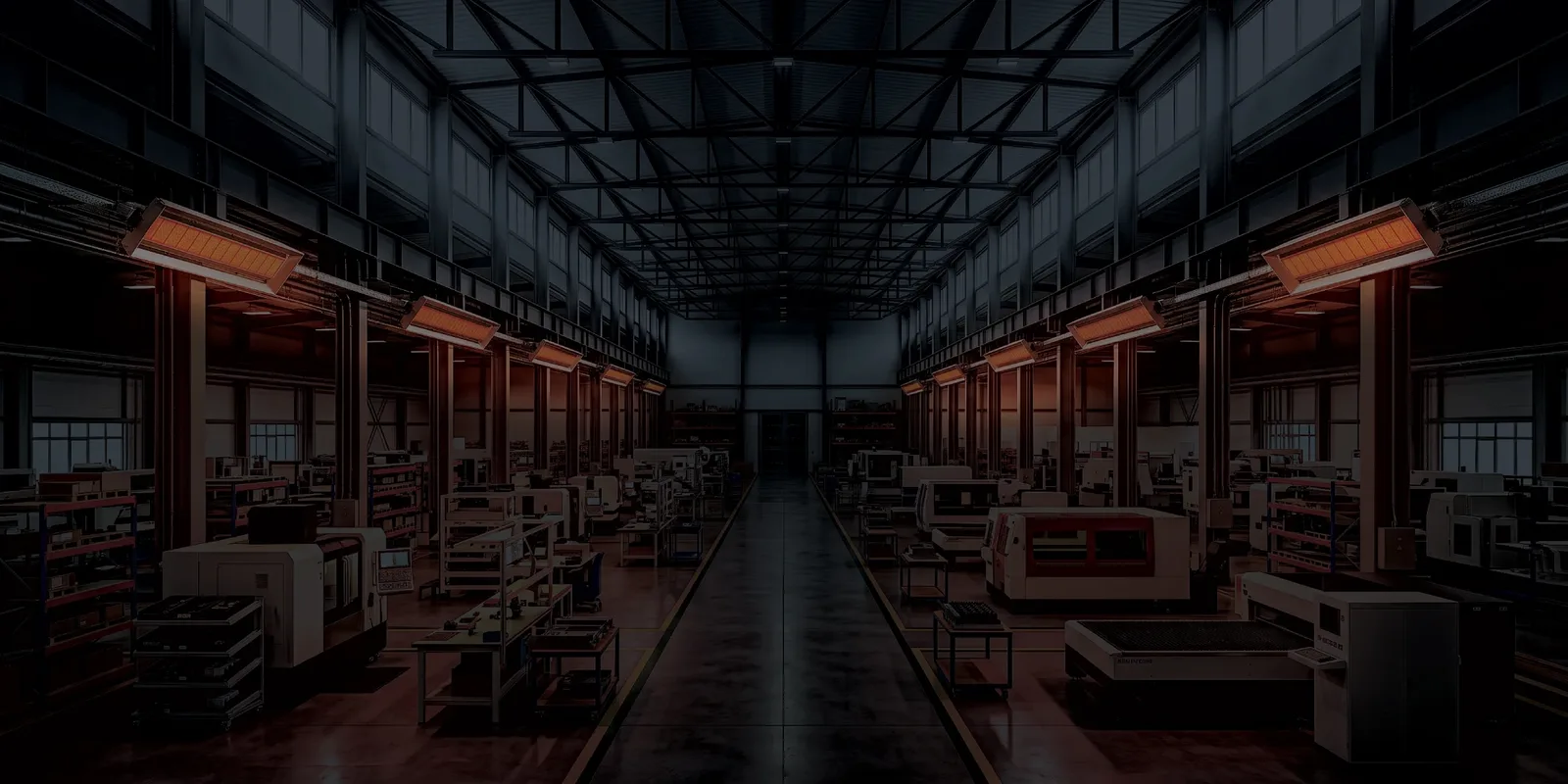
Choosing a heating system for an industrial facility affects more than employee comfort. It can also influence production conditions, daily operations and energy use. Factories, warehouses and workshops differ in ceiling height, insulation, door traffic and operating hours. The same product or capacity approach should not be expected to suit every facility.
Start by understanding the space
Measure the length, width and height of the area to be heated. Floor area matters, but total volume is also important. In high-ceiling buildings, warm air may collect near the roof, while air movement can affect temperature distribution in working zones. Machinery, storage racks, partitions and door openings can also influence equipment positioning.
Assess insulation and air exchange
Walls, roofs, floors, doors and windows all contribute to heat loss. Frequently opened loading doors, uncontrolled air infiltration and process ventilation can increase the heating demand. The building's insulation and air exchange conditions should therefore be understood before selecting a system.
Review energy infrastructure and operating patterns
Available electrical capacity, natural gas connection, flue/exhaust arrangements and maintenance access determine which systems can be implemented. It also matters whether the facility operates continuously or in shifts, and whether the entire space or only selected zones need heating.
Choose the heating principle around the application
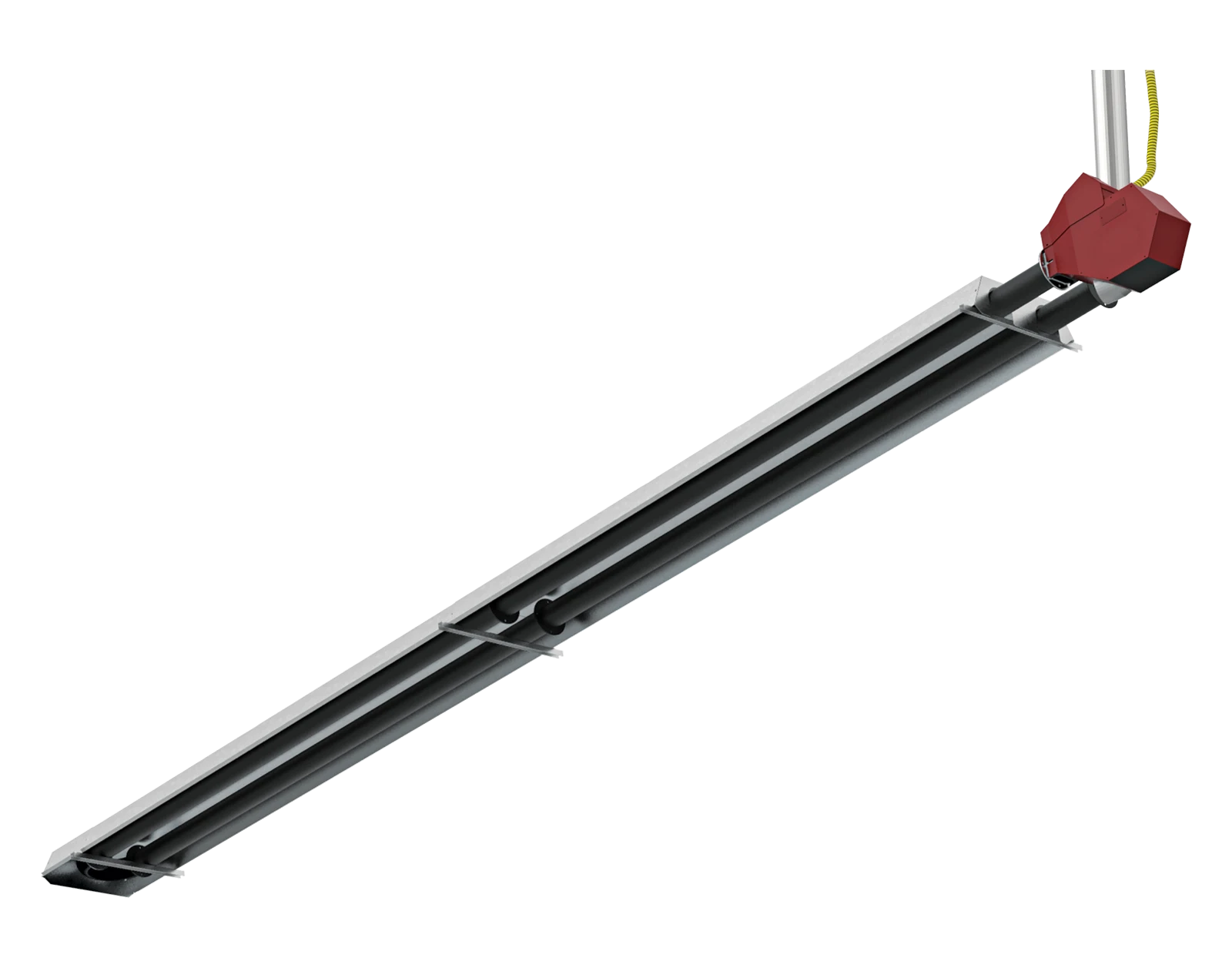
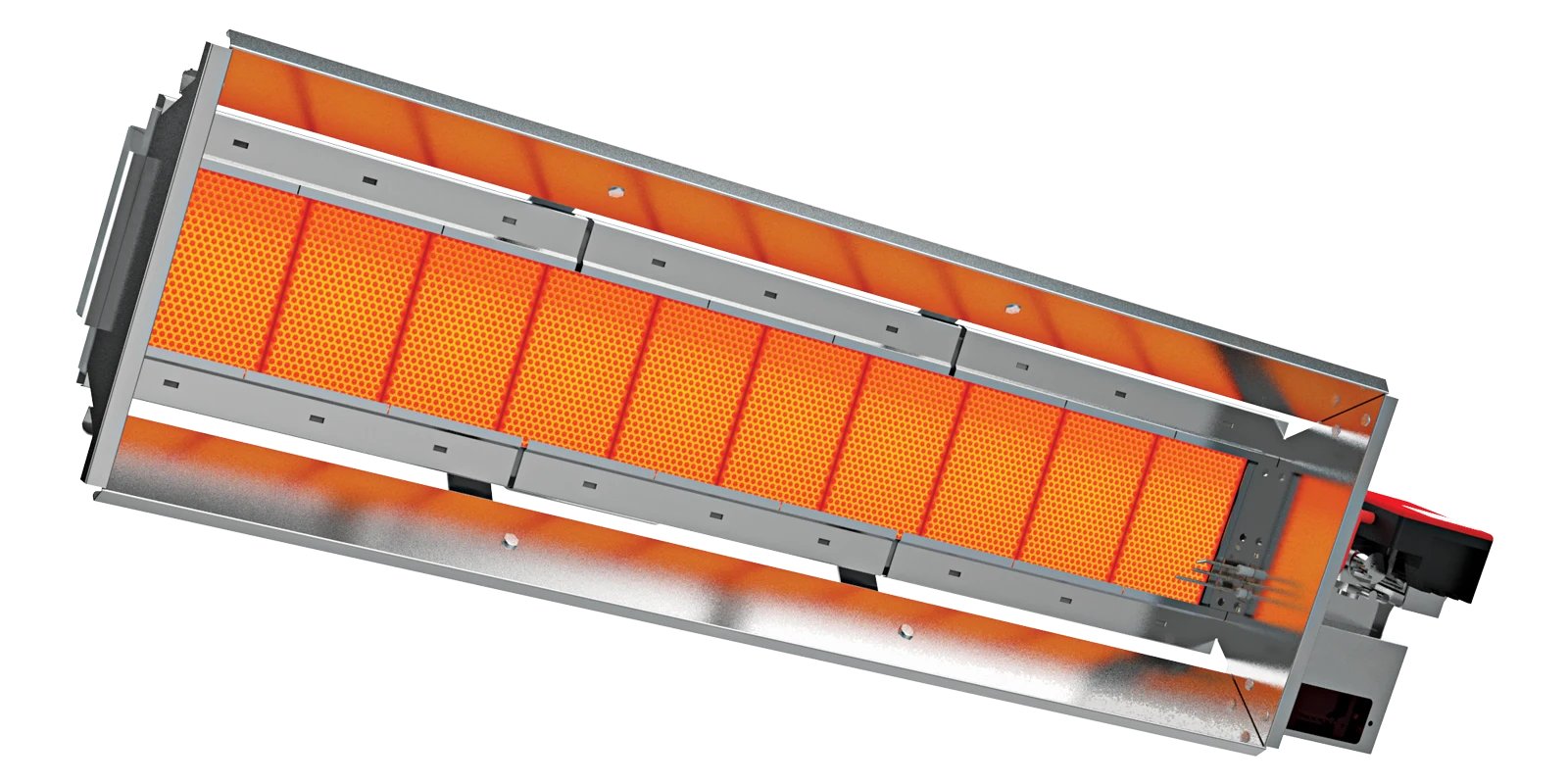
Warm-air generators distribute heated air through a fan. Radiant systems transfer heat to surfaces and working zones through radiation. Electric infrared solutions may be considered for localised heating and some semi-outdoor applications. None of these approaches is automatically best in every situation; suitability depends on the project.
Determine capacity through technical assessment
Selecting equipment using a general rule such as a fixed number of kilowatts per square metre can be misleading. Volume, target temperature, outdoor conditions, thermal performance of building elements and ventilation all need to be considered. Preliminary calculations should be checked against site information and technical design.
Lumos approaches industrial heating as more than product selection. By assessing facility conditions and business requirements, Lumos can bring electric or natural gas system options, equipment sourcing and implementation together within a project scope.
Conclusion
The right heating system is not necessarily the unit with the highest capacity. It is a system matched to the facility's actual requirements, positioned correctly and managed appropriately.
Frequently Asked Questions
Let's assess a suitable heating approach for your facility. Submit a Project Request.
Discuss Your Project