
 PDF
DragharusENGLISH / EN
PDF · ENGLISH · 4 pages
Dragharus Product Catalogue
Explore the Dragharus product family, power options, technical scope and project-based selection in English.
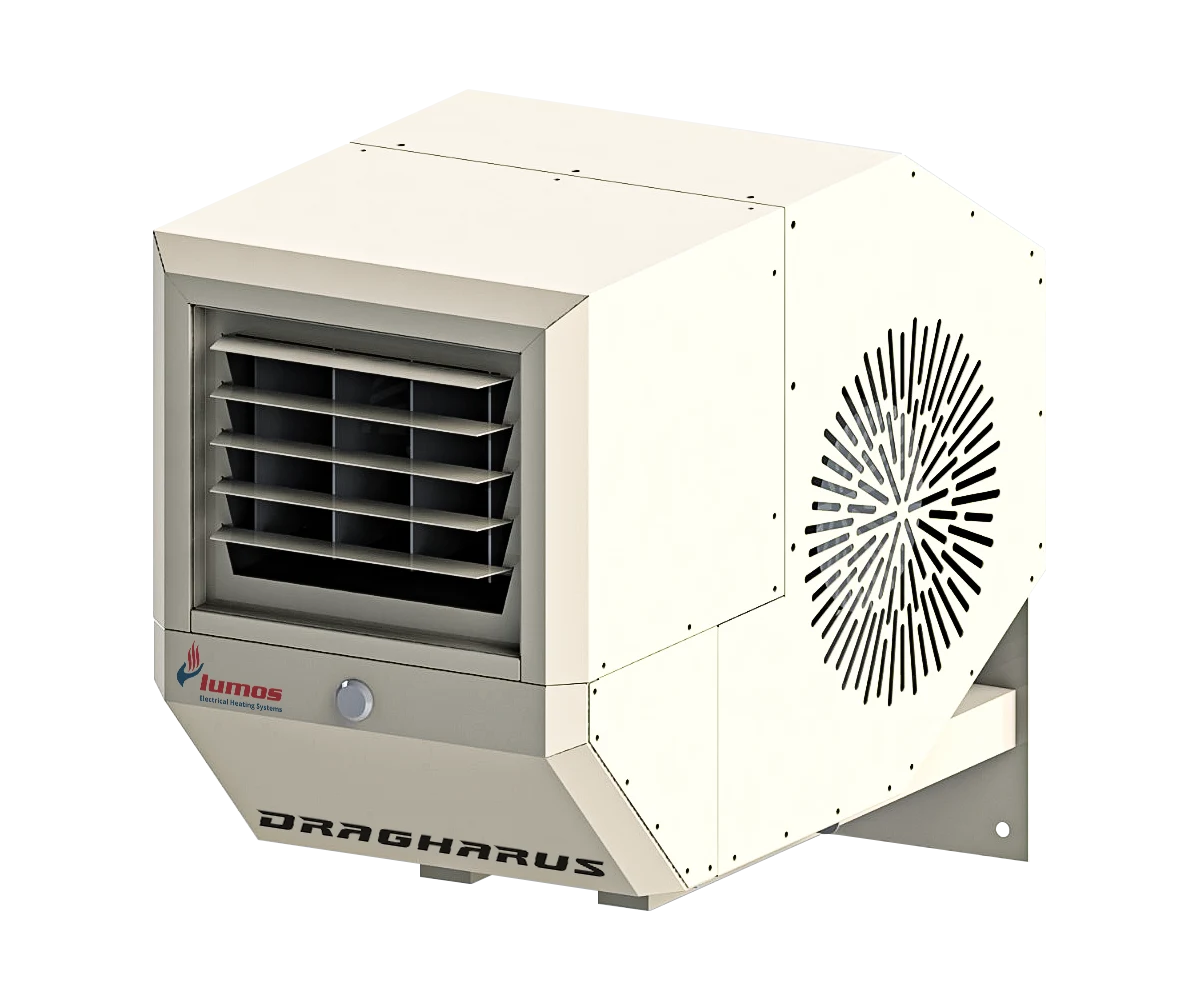
Dragharus is a family of electric warm-air generators developed by Lumos for indoor heating. It uses an electric resistance assembly and fan-assisted air distribution to deliver heated air into the space.
Discuss This SolutionHeat Area CalculationPDFExplore the Dragharus product family, power options, technical scope and project-based selection in English.
The Dragharus range offers different power options for indoor heating requirements across a variety of spaces. Its operating principle is based on heating air through electric resistance elements and distributing it with a radial fan. The product family includes control options and safety components. Installation location, electrical infrastructure, air circulation and intended use should all be considered when selecting a unit.
Dragharus may be considered for factories, workshops, warehouses, hangars, service areas and other suitable indoor environments. The appropriate capacity and unit layout should be determined by considering room volume, insulation, outdoor conditions, operating hours and air movement. A reliable recommendation cannot be based on floor area alone.
Technical values are nominal figures stated in the product catalogue. Confirm the current product revision, electrical infrastructure and installation conditions before ordering or implementation. Do not guarantee that a unit will heat a specific floor area without a project assessment.
Factories and workshops, warehouses and hangars, service areas, suitable commercial interiors and selected agricultural or production environments. Final suitability depends on project assessment.
Each power rating belongs to a separate model.
30 kW · 380 V · 45 A · 2,200 m³/h airflow.
20 kW · 380 V · 30 A · 2,000 m³/h airflow.
15 kW · 380 V · 23 A · 1,300 m³/h airflow.
3.4 kW · 220 V · 16 A · 300 m³/h airflow.
Request a Dragharus Quote
Discuss Your ProjectMounting height, energy infrastructure, building characteristics, operating hours and site conditions must be considered together. Portfolio ranges describe different equipment configurations, not the adjustable output of a single device. Final product, capacity, connections and installation details are confirmed through project assessment.
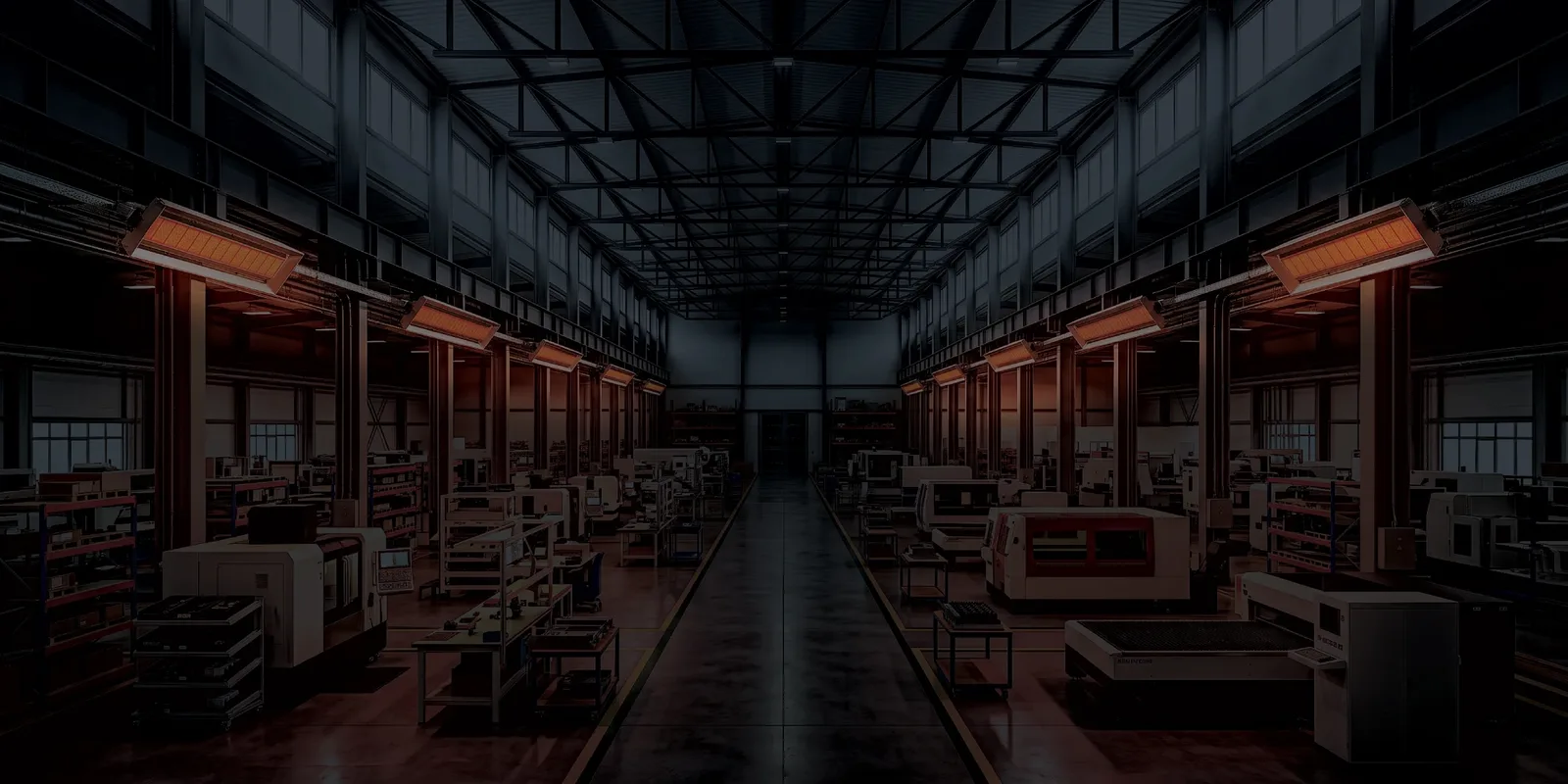
High ceilings, large volumes, machinery layout and shift patterns all affect heating design. Radiant or warm-air systems may be considered according to the facility's use.
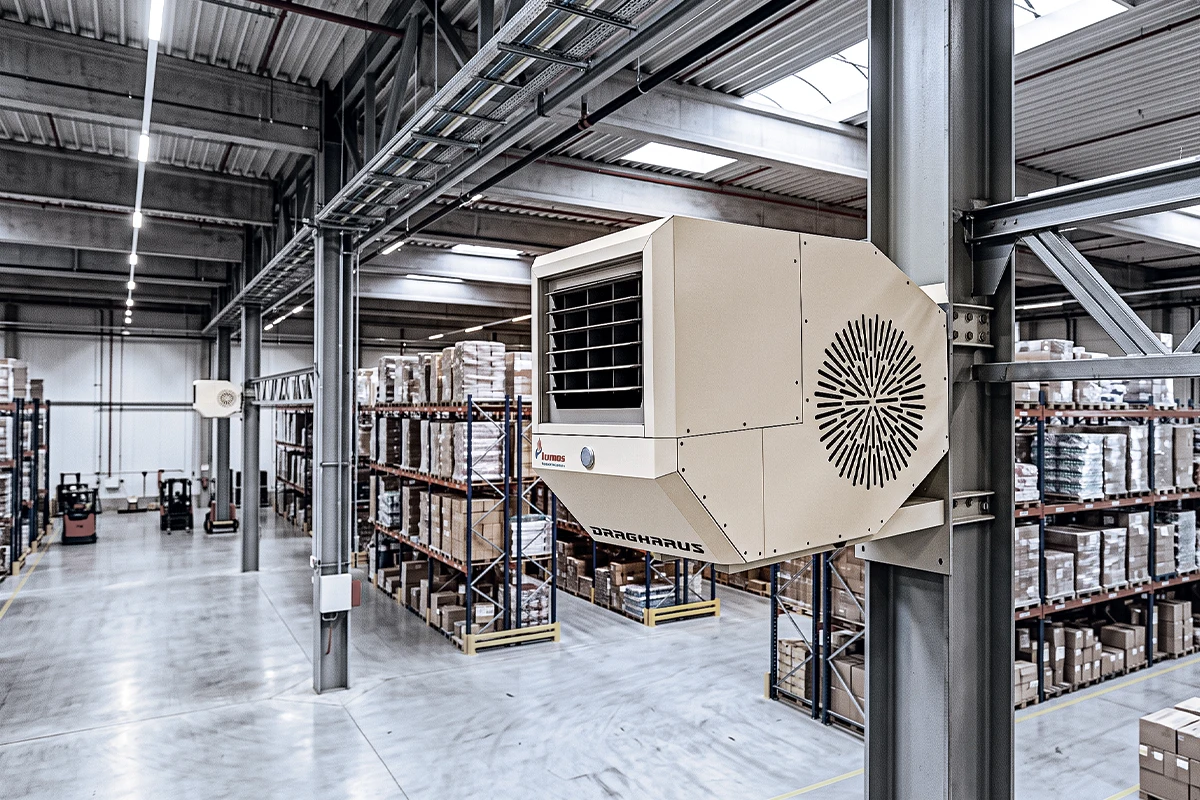
Door traffic, air circulation, storage height and working zones are key factors in heating requirements. System placement should be planned without disrupting operations.
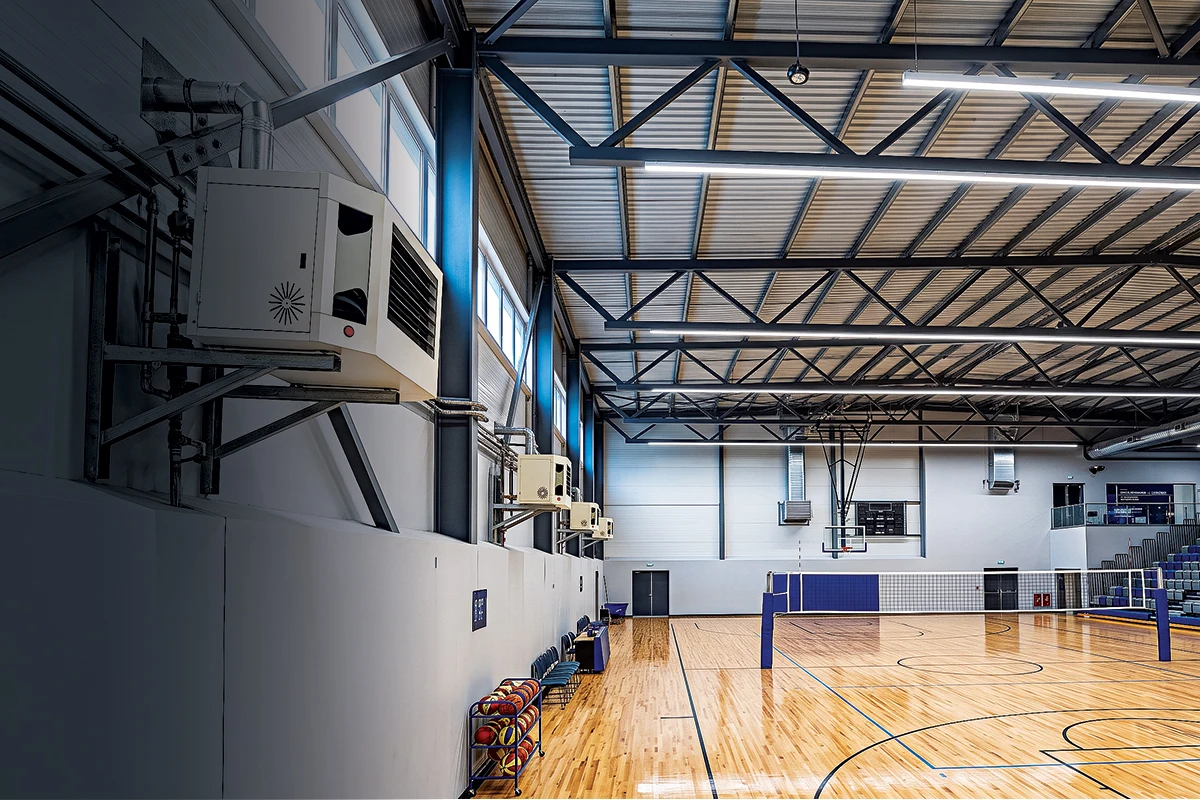
Ceiling height, activity zones, air circulation and occupancy influence system selection and heater positioning.
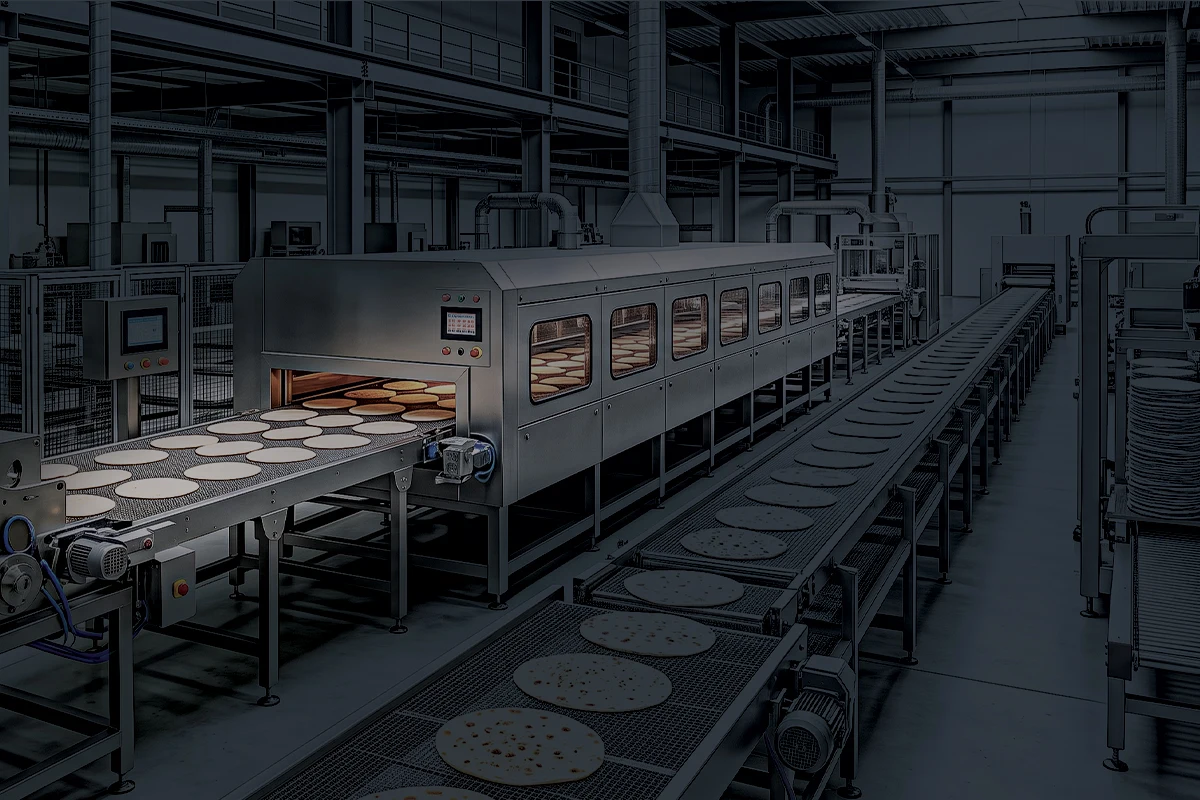 01
Designing, developing and preparing new products and systems for production around your business requirements.
Explore the details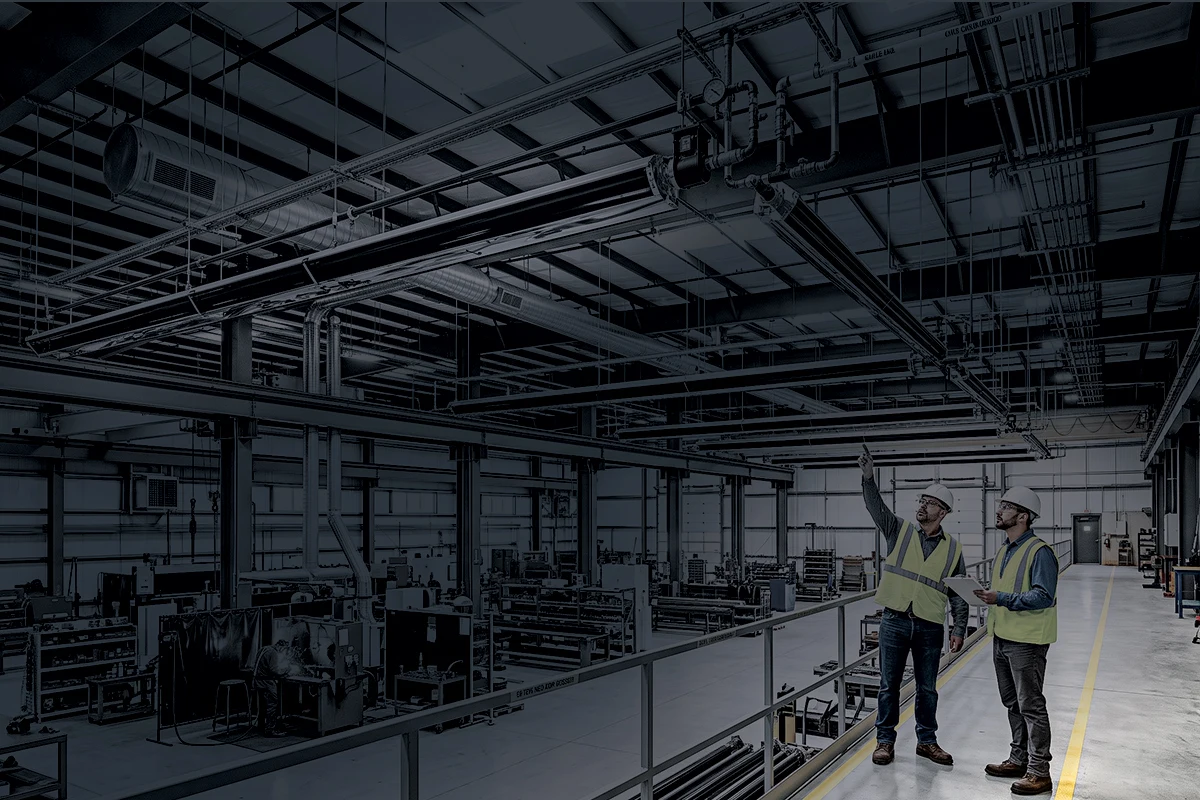 02
Planning, sourcing and coordinating heating system implementation for factories, warehouses and commercial facilities.
Explore the details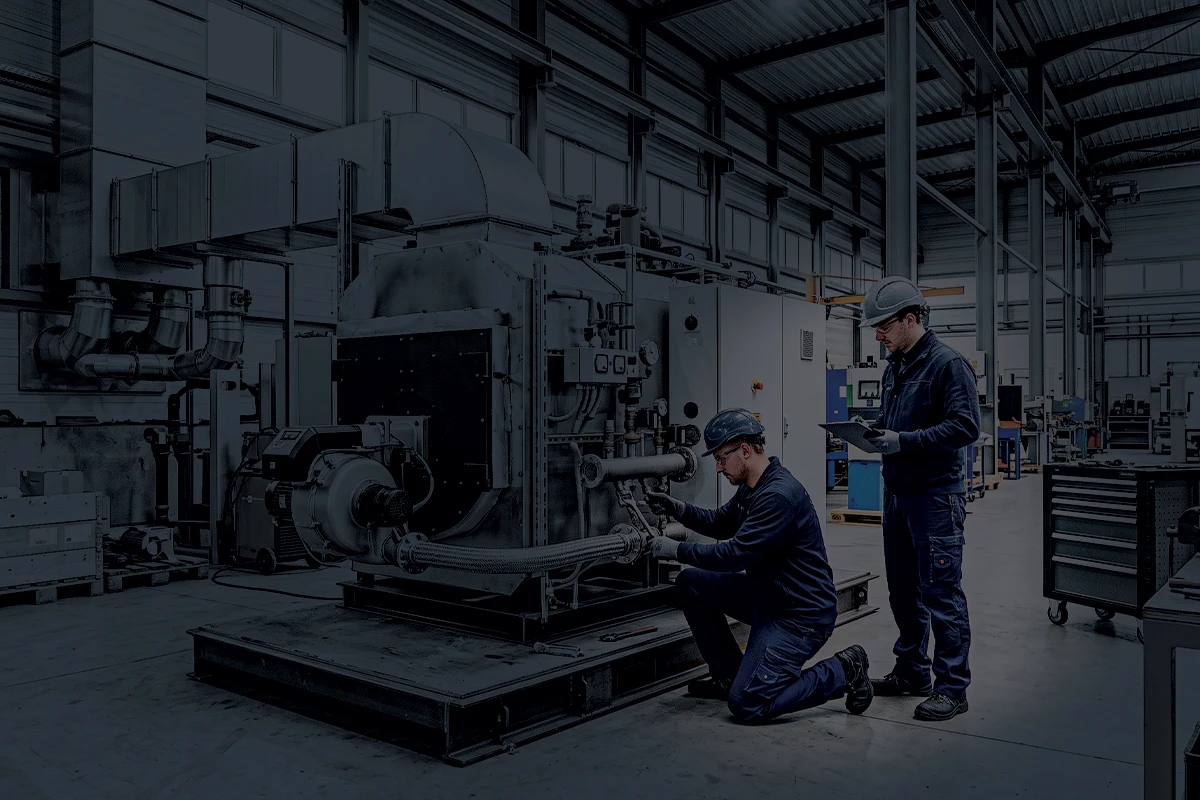 03
Identifying, sourcing and implementing heating and control systems suited to project requirements.
Explore the detailsTell us about your heating requirements, facility conditions or the custom system you would like to develop. The Lumos team can review your request and discuss suitable next steps.